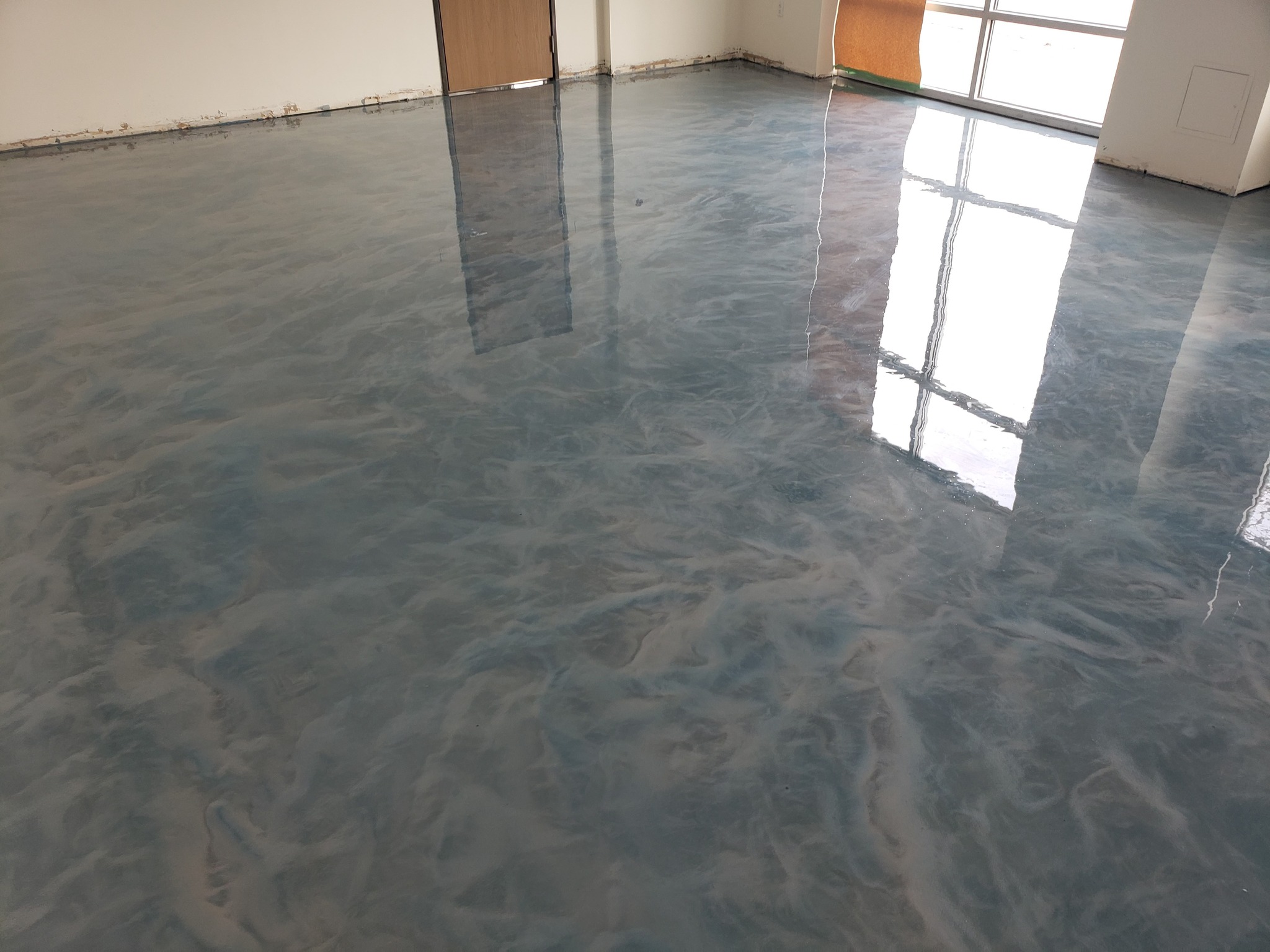
Stained concrete is now a popular flooring choice in Castle Rock. Homeowners, investors, and businesses use it to create cool spaces. It looks great with many colors and effects, so it’s quite versatile.
But initial appeal doesn’t guarantee longevity. Assessing the quality of stained concrete is important. You want to avoid cracks, color fading, and other future problems.
A bad stain job means constant repairs or total replacement. This is a pain and a financial burden. Happy customers recommend you to their friends. So, ensure the stained concrete is great from the start to keep everyone happy, including your bank account. Need Flooring Installation Castle Rock for your business flooring needs.. It makes a difference in the long run.
Let's discuss how concrete staining works. It's more than just adding color. The stain type is important. Acid-based stains react with the concrete. This makes a lasting, mottled look. Water-based stains are like paints or dyes. They sit on the concrete and offer more colors, but they might not last as long as acid stains.
Surface prep is key. If the concrete isn't clean and porous, the stain won't apply evenly. This means grinding, degreasing, or maybe an acid wash. Next is the application. Spraying, brushing, or sponging each gives a different look. Thin coats are better than a thick one to avoid blotches.
Sealing is next. This protects the stain from wear. It also affects the final sheen. You can use a matte sealer for a natural look or a glossy one to make the color stand out. If you mess up any of these steps, your stained floor could look uneven or fade fast. No one wants that.
Color uniformity matters a lot for stained concrete. You want the color to look the same across the surface. Mottling or streaking are bad. They make the floor look cheap and take away from the look you want. Uneven color draws the eye to those flaws and ruins the seamless look.
Penetration depth is also key. The stain must soak in all the way. If it sits on top, it will wear away fast. Expect scratches, fading, and a short life for your stained concrete. You want the stain to get into the concrete pores, so it becomes part of the material, not just a coating. This is key for long life.
Good surface prep helps you get both color uniformity and good penetration. This means you must clean the concrete, fix any cracks, and maybe grind the surface to open the pores. If you skip this, you set yourself up to fail. The stain will not stick, and you will get a blotchy mess. Take the time to do it right.
How you put it on matters. Stains need different methods. Some work best with a sprayer, others with a brush or roller. You must put the stain on evenly, avoiding puddles or dry spots. Overlapping your strokes helps blend the color and prevent streaks. Always follow the maker's directions. Practice on a small area first.
Do not forget sealing! A good sealer protects the stained concrete and locks in the color. Pick a sealer that works with your stain and how you will use the floor. Put on thin coats instead of one thick coat to make sure you get even coverage and curing. Sealing makes that stained concrete last and look good for years.
When we talk about stained concrete, especially in high-traffic areas, scratch and abrasion resistance matters. Hallways, entryways, and kitchens see lots of foot traffic. If the surface isn't tough, scratches and wear marks appear fast. No one wants that.
Even good concrete needs help. Sealers protect the stained surface from scratches, stains, and wear. They act as a protective layer. Different sealers exist, and some work better for high-traffic areas. Invest in a quality sealer and reapply it often. This saves trouble later. Without this step, expect the finish to degrade faster.
How do you test concrete hardness? One way involves the Mohs hardness scale. This scale ranks minerals by their ability to scratch softer materials. While concrete isn't a mineral, the scale gives a general idea. You can also do scratch tests with tools to see how easily the surface gets damaged.

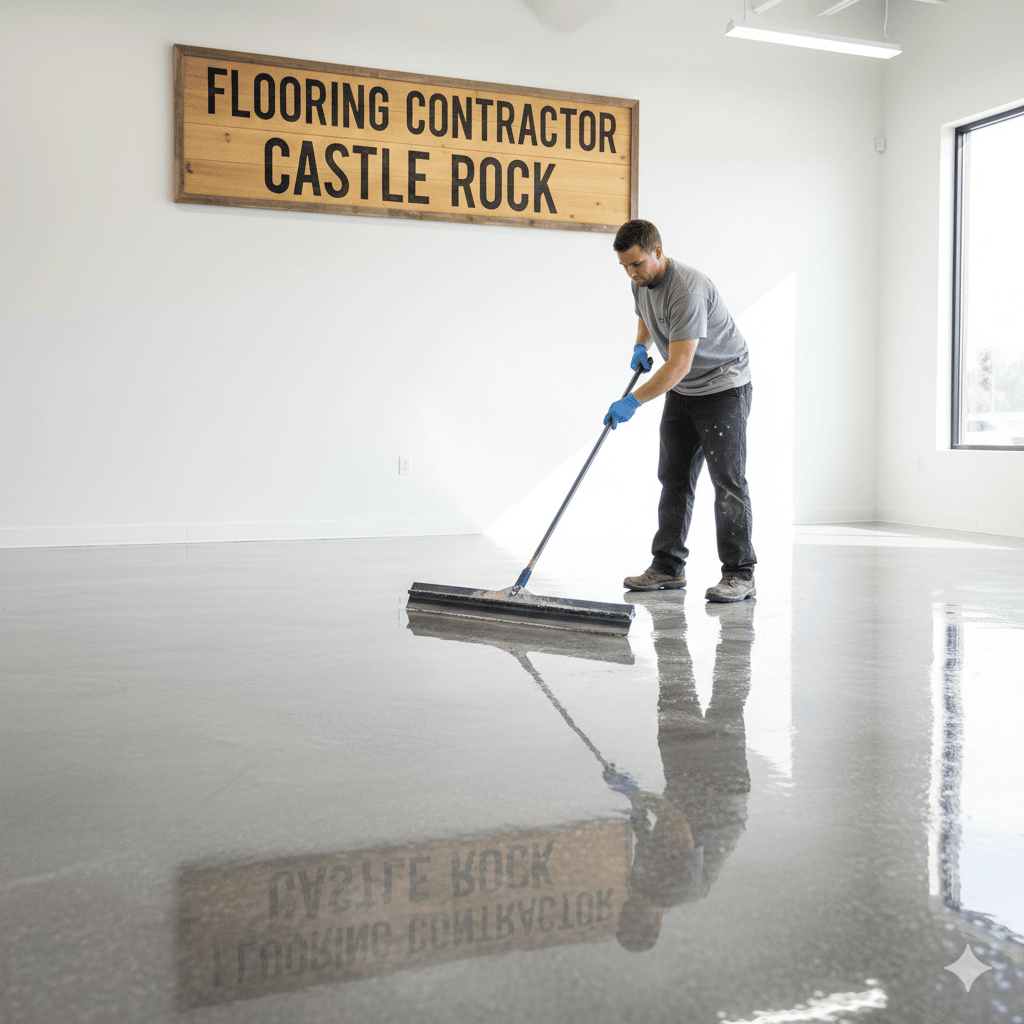

Sealer adhesion matters a lot for stained concrete. If the sealer doesn't stick, you might see peeling or blistering. The surface could even separate. This affects how it looks, and a bad sealer leaves your stained concrete open to damage.
How do you check the sealer? Try the tape test. Put strong tape on the sealed surface, press it down, and pull it off. If the sealer comes off with the tape, the adhesion isn't strong enough. Other tests exist, but the tape test gives you a quick idea.
Choosing the right sealer also matters. Don't just pick any product. Think about the stain type, the floor's environment (indoors or outdoors?), and the wear it will face. The wrong sealer might not bond well or last long, and you'll have to start over.
Stain and water resistance matter a lot for stained concrete. Without it, damage and discoloration can occur. Spills happen. It's not a matter of if, but when.
How do you test for this? Try a test using household items like coffee, juice, or water. Put a small amount on a hidden area, let it sit for an hour, and then wipe it up. Look for staining or water penetration. If it's there, that's a bad sign.
Protective coatings help a lot here. They act like a shield, keeping stains and water out of the concrete. Epoxy, polyurethane, and acrylic sealers are options. Each has pros and cons for durability, look, and cost. Ask your flooring contractor which one is best for your needs and floor traffic. Regular upkeep and reapplication of the coating will keep your stained concrete looking good for years.
UV resistance matters, especially for stained concrete outside or in a sunroom. Direct sunlight can break down the stain pigments. This leads to fading or yellowing. No one wants that.
Imagine a beautiful, custom-colored floor looking washed out a year later. UV protection is key. The good news? Some sealers block UV rays. Use one of those.
Also, the pigment type matters. Some resist fading better. Ask the supplier about a stain's UV resistance. Better pigments and sealers might cost more at first. But it’s cheaper than redoing the floor later. It's an investment. Don't skip this.
Is proper surface preparation important? Yes, it is critical for stained concrete. You must nail this step if you want a high-quality, durable, and beautiful stained concrete floor. It's the foundation.
What does surface preparation mean? It's a multi-step process. First, clean the existing concrete. Get rid of any dirt, grease, old coatings, and anything that could interfere with the stain bonding. Next comes grinding. This opens the concrete pores, giving the stain something to grab. Patch any cracks or imperfections, so the surface is even. Finally, profiling creates the right texture for stain adhesion. It is like sanding wood before painting.
If you skip steps or do them poorly, you invite trouble. Poor preparation causes adhesion problems. The stain might peel or flake. You will get inconsistent color absorption, leaving a blotchy, uneven mess. A bad look is guaranteed.
That’s why it’s best to use pros, especially here in Castle Rock. We know the local concrete, the climate, and what it takes to get a perfect stain. We’ve seen it all and fixed it all. Don't risk a DIY failure. A flooring contractor will ensure proper surface preparation, leading to a stained concrete floor that looks great and lasts.
When you check stained concrete, a good start is a visual check. Look for even color, odd spots, or stain issues. You might be surprised what you notice.
Moisture meters are also key. Concrete must be dry before staining. If not, you risk peeling and bubbling. Use a reliable meter and follow the directions. Do not skip this.
Hardness testers, like a Mohs kit, show surface durability. Softer concrete might not hold stain or might wear down fast. This gauges the concrete's ability to handle daily use.
Adhesion tests are also important. They ensure the stain bonds to the concrete. A common test is a pull-off test. You glue a dolly to the surface and measure the force to pull it off. If it comes off fast, you have an adhesion problem.
What do the results mean? Uneven color means inconsistent work. High moisture? Let it dry longer. Low hardness? Think about a densifier. Poor adhesion? It could be a surface issue or the wrong stain. Spotting these problems early saves trouble and money.
You have stained concrete floors. They look great, right? You want to keep them that way. Maintenance matters.
First, cleaning. Don't use harsh chemicals. A pH-neutral cleaner and a microfiber mop work best. Avoid anything abrasive because it will scratch the surface. Mop often to remove dirt before it settles.
Next: resealing. This is important. How often should you reseal? It depends on floor traffic. A busy space might need yearly resealing. A home might need it every 2–3 years. You’ll know it's time when water stops beading on the surface. When water soaks in, the sealer wears thin. Resealing protects the stain and the concrete.
Finally, take preventative steps. Use mats at entrances to trap dirt. Put felt pads under furniture legs. Wipe up spills fast. Stained concrete is tough, but it's not indestructible. Treat it well, and it'll look great for years. Ignore it, and you'll deal with scratches, stains, and a faded finish sooner.
Stained concrete looks great at first. Over time, though, problems can develop. Cracking is a big one. Foundation settling, temperature changes, or poor install can cause it. Small cracks can be patched with concrete filler. Larger, structural cracks might need professional help to keep them from getting worse.
Fading is another issue. Sunlight, harsh cleaners, and regular wear can make the stain lose its color. To prevent fading, use sealers with UV protection. Also, be careful about the cleaners you use.
Discoloration can also happen. Spills left uncleaned or moisture under the sealer can cause it. Sometimes, you can fix discoloration with concrete cleaner and a new coat of sealer. Deep discoloration might mean you need to re-stain the concrete.
You can tackle these problems yourself. But it can be tricky, especially with larger cracks or lots of discoloration. Flooring pros in Castle Rock can help. They can find the cause of the problem and fix it. Plus, they can advise you on how to prevent these issues. This can save you trouble later.
Let's examine some stained concrete projects and how we measure success. We will focus on work we've done around Castle Rock.
For example, a recent home project involved staining a basement floor to resemble polished stone. The key metrics were color consistency and stain penetration. Did the stain take evenly across the entire surface? We check penetration by looking at core samples to ensure the color goes more than skin deep. The client loved the look and how easy it was to maintain.
On the business side, we finished a retail space downtown with a stained concrete floor. It was designed to mimic a natural, earthy tone. Here, durability was most important. Foot traffic in retail is tough. We measured abrasion resistance, or how well the floor holds up to wear and tear, using standard tests. We also tracked the number of maintenance procedures needed in the first six months. Fewer maintenance calls mean a better install. The business owner was pleased, since it fit their brand and held up to daily use.
A common mistake we see is people not prepping the concrete before staining. If the concrete isn't clean, the stain won't penetrate correctly. This leads to inconsistent color and early wear. Proper surface prep is essential. Get that wrong, and you might as well start over.
Are you considering stained concrete for a new home or business in Castle Rock? Using a pro installer is a great idea. It may look like a DIY project, but it’s trickier than you think.
Professional flooring contractors offer many benefits. They know their stuff. They've handled all sorts of concrete floors. They've seen every problem and know how to fix it. They understand concrete and how it reacts to different stains. They know how to prep it and how to seal it, so it lasts.
Experience matters. A good installer knows what products work best for your situation. They consider foot traffic, sunlight, and the concrete's condition. They can also spot problems early, like cracks or unevenness, that could mess up the staining.
Quality matters. When you hire a pro, you pay for expertise and a commitment to doing the job right. Pros often offer a warranty on their work, which gives you peace of mind. If something goes wrong, they will fix it. That’s valuable when you invest in something as permanent as stained concrete flooring.
When you examine stained concrete, look for a few things to judge the quality. First, check the color. Is it even, or are there blotches? You want a consistent color throughout. Color variations are a red flag.
Next, check the finish. It should be smooth, with no rough patches or spots where the stain didn't take. Roughness means it probably wasn't sealed right, which will cause problems later.
Also, check the sealer. A good sealer protects the concrete from stains and wear. A cheap sealer means your floor will get wrecked fast. Proper installation matters. If the concrete wasn't prepped right before staining, the stain won't adhere. That wastes money. Regular cleaning and resealing every few years will keep it looking good. Don't skip that!
Good stained concrete flooring in Castle Rock isn't just about looks. It adds value to your property. It’s durable and stylish, and it can last for years if done right. Plus, it looks great!